Cockerham + the Lancashire coast
Local stories.
A sense of place.
Salt marshes shaped by the tides. A lighthouse with a story to tell. An old Abbey beneath a wide Lancashire sky. There’s more to this coastline than the view.
We love sharing the places, people and small discoveries that make our corner of the world feel like home.
A landmark on the horizon
Plover Scar
Lighthouse.
Along the coast from Patty’s Barn, Plover Scar stands at the entrance to the Lune estuary. Built in 1847, it was the lower of two leading lights that helped ships navigate towards Glasson Dock and Lancaster.
The companion high light once stood beside the keeper’s cottage at Cockersand. Together, the pair tell a story of working waterways, coastal journeys and the people who kept the lights burning.
For us, this is a favourite stretch of coast to explore: changing light, open horizons and a little piece of local history in the view.
Explore the Lancashire archive ↗︎Enjoy the lighthouse from the coastal paths. The shore is tidal; stay on established routes and check local conditions before setting out.
The people behind the landscape
Keeping the
light burning.
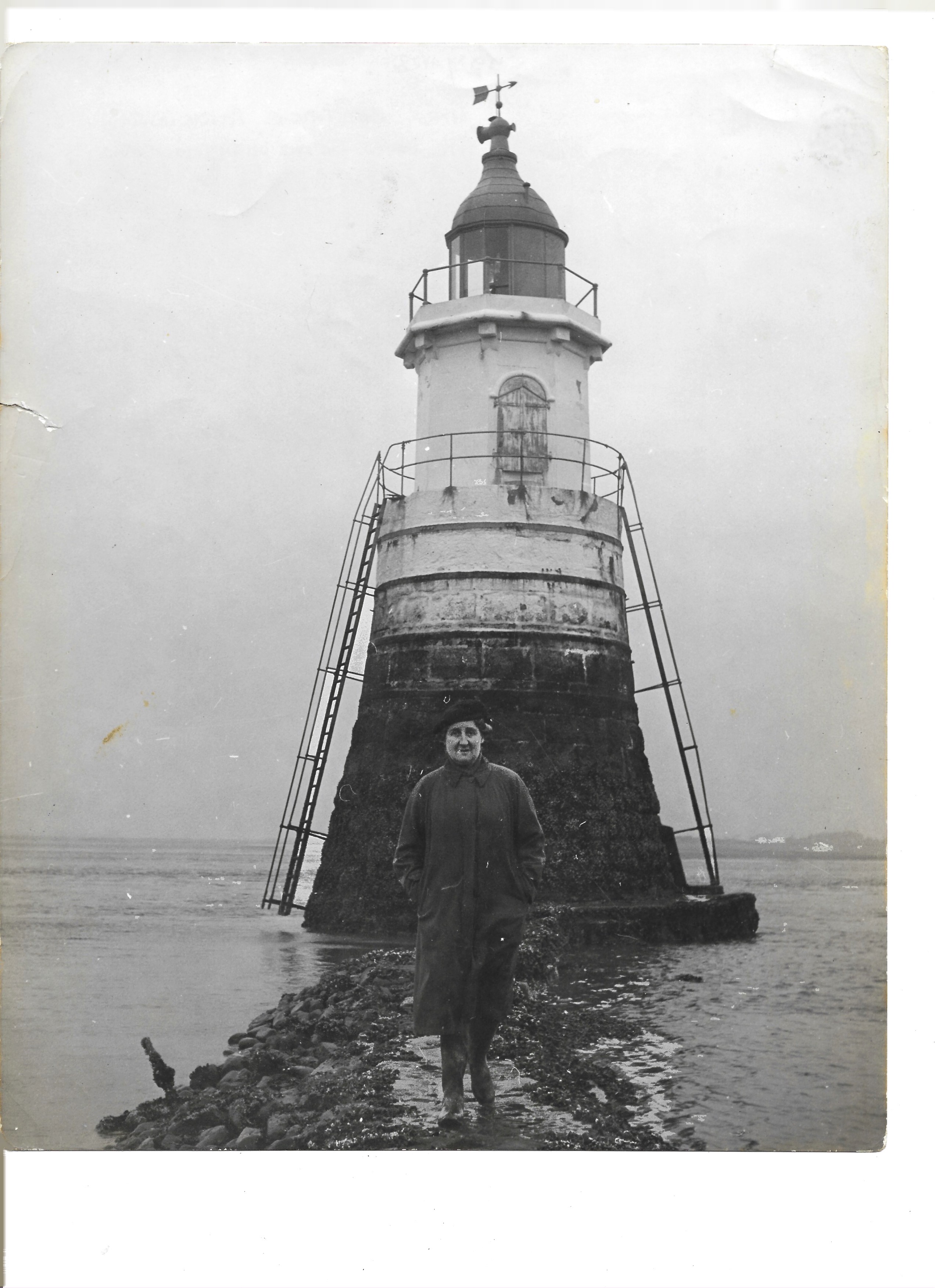
Our neighbour Robert Parkinson shared photographs of his mother, Beatrice, and her life tending the lighthouses at Cockersands. In the family story we shared on Instagram, she made the journey to replenish the paraffin lamps through the changing weather.
It brings a very human story to a familiar landmark: a daily task, a responsibility to people at sea, and a life woven into this coastal community. These are the local memories we love passing on to our guests.
Beatrice at the lighthouse · British Pathé, 1948
A short archive film showing Beatrice tending the lamps at Plover Scar and Cockersands. Choose to load the YouTube player here.
A little further along the coast
Cockersands
Abbey.
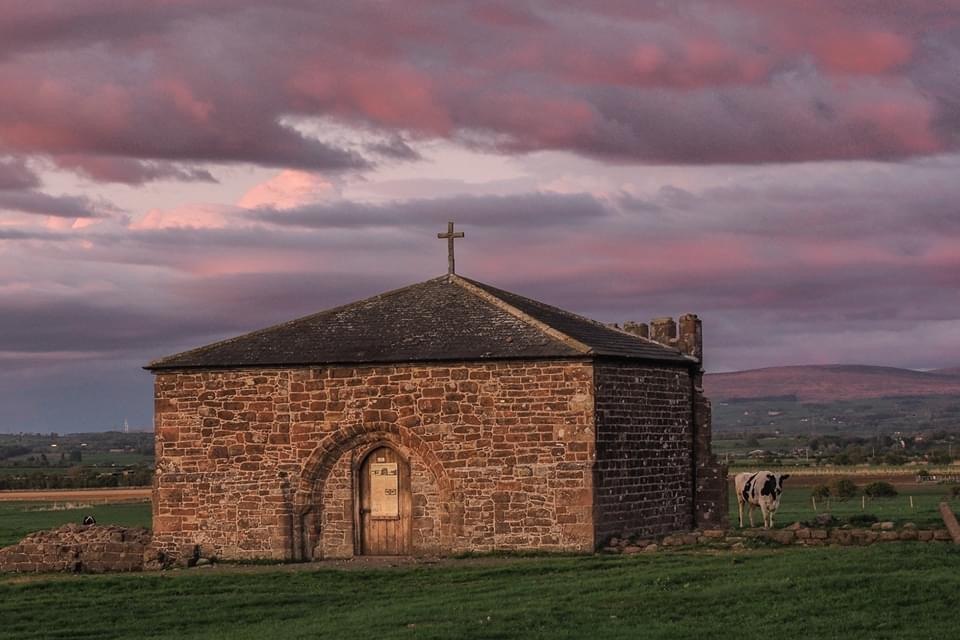
The surviving chapterhouse is a glimpse of a much larger medieval Abbey. A religious community developed here in the late 12th century, and the Abbey continued until its dissolution in 1539.
The chapterhouse survived because it later became the Dalton family’s burial place. Today, its stone walls make a striking landmark against the open fields and coastal skies.
Make it part of a coastal wander and take a moment to imagine the lives once lived here. Views from the paths can be enjoyed without assuming the building itself is open to visitors.
Read the Abbey’s history at Historic England ↗︎Stay a little longer outside
Wide skies.
Even after sunset.
As the daylight fades, there’s another reason to pause. On a clear evening, wrap up warm, step away from bright lights and let your eyes adjust. Watching for stars can be one of the simplest pleasures of a countryside stay.
What you see depends on cloud, moonlight and the season. Bring a blanket, choose a comfortable spot close to your cottage or cabin, and give yourself time to look up.
Our farming roots
Life beside
the salt marshes.
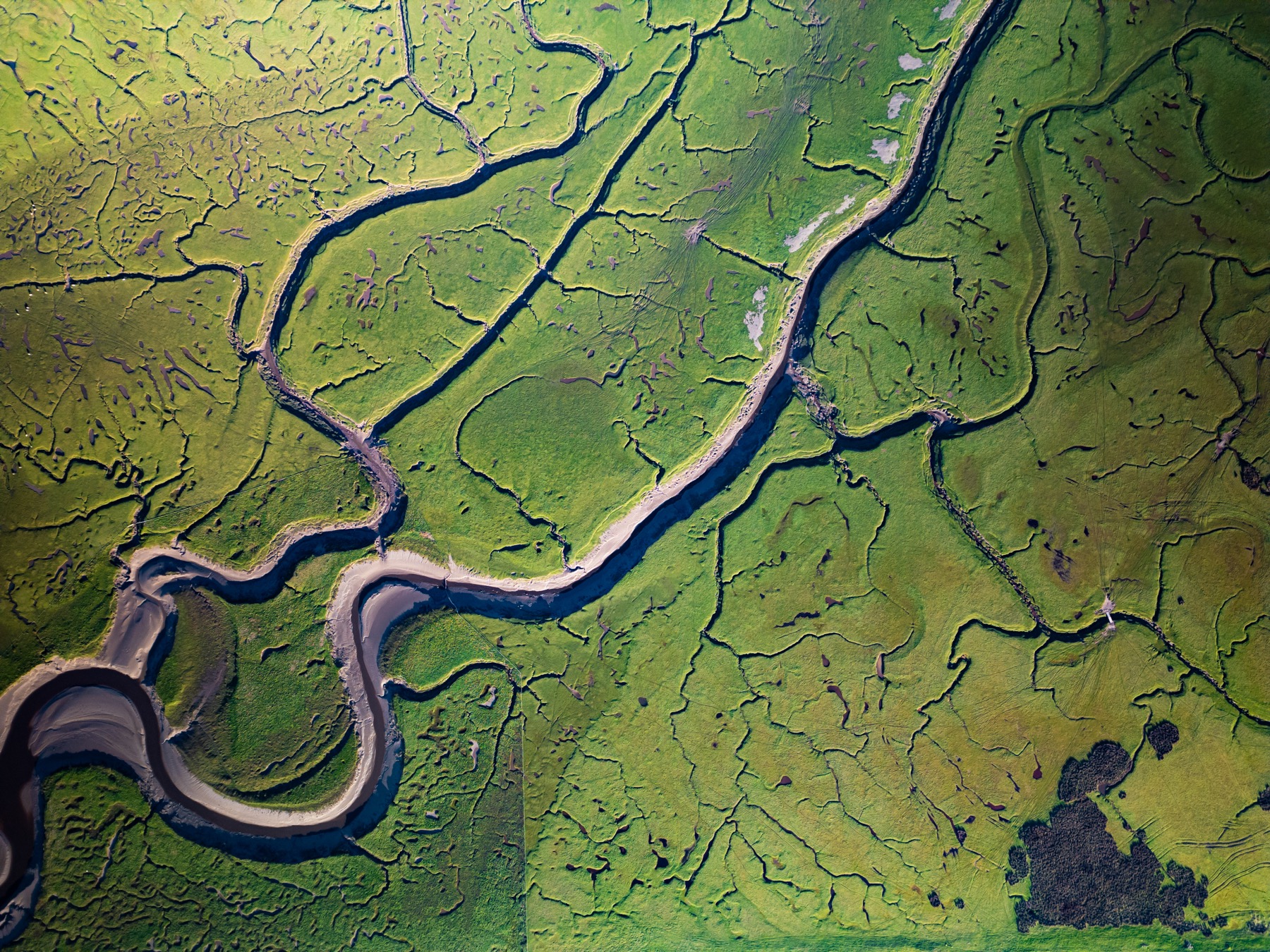
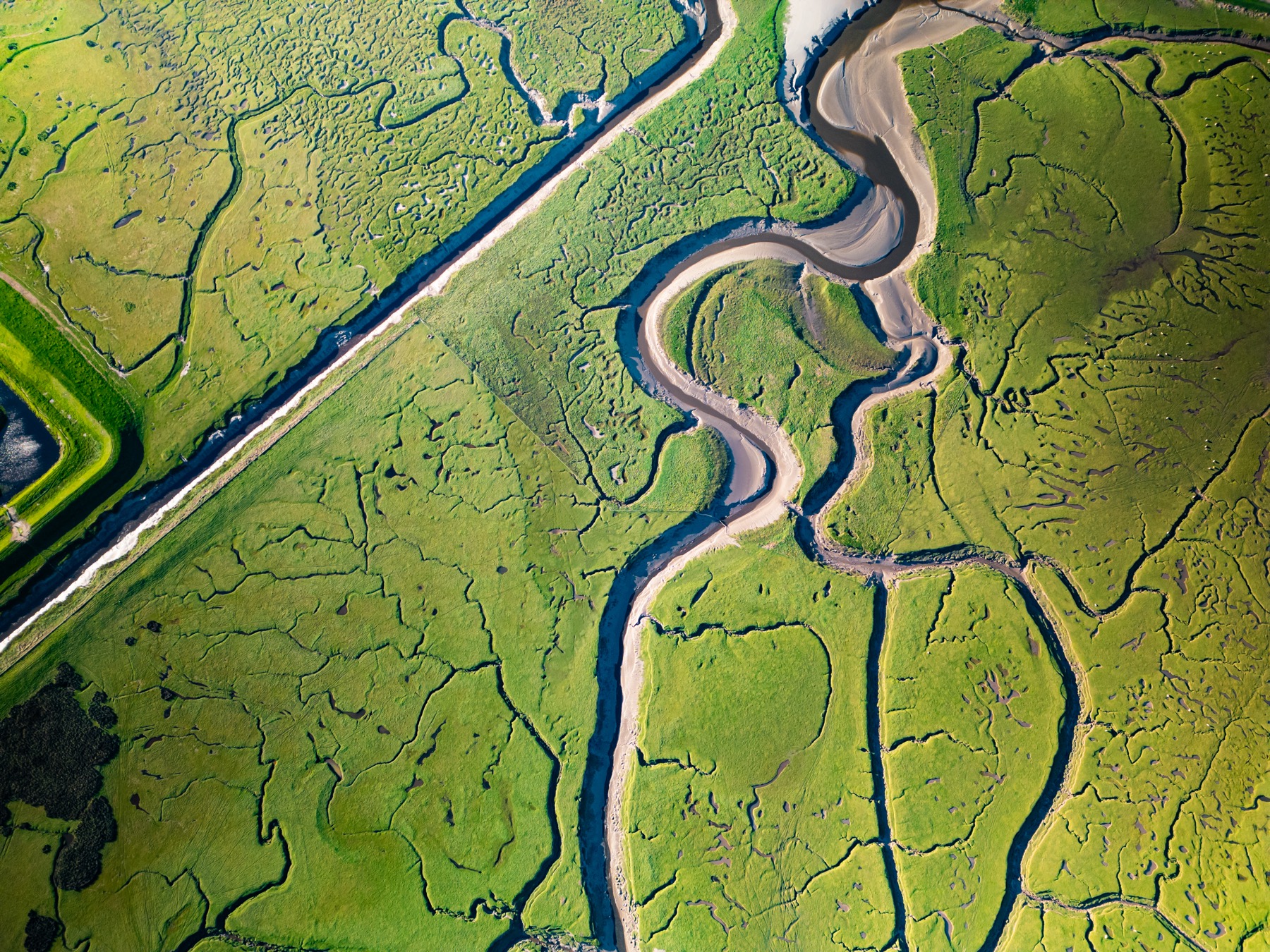
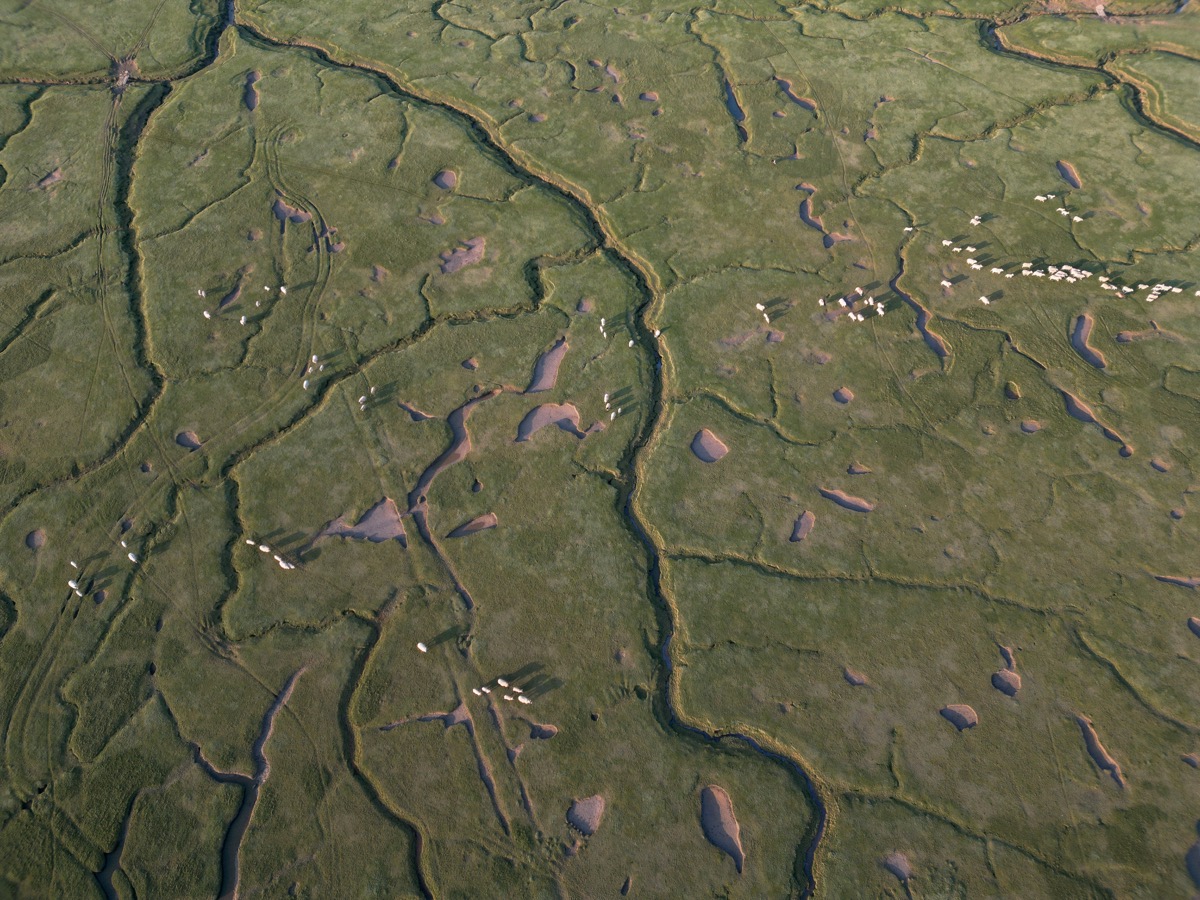
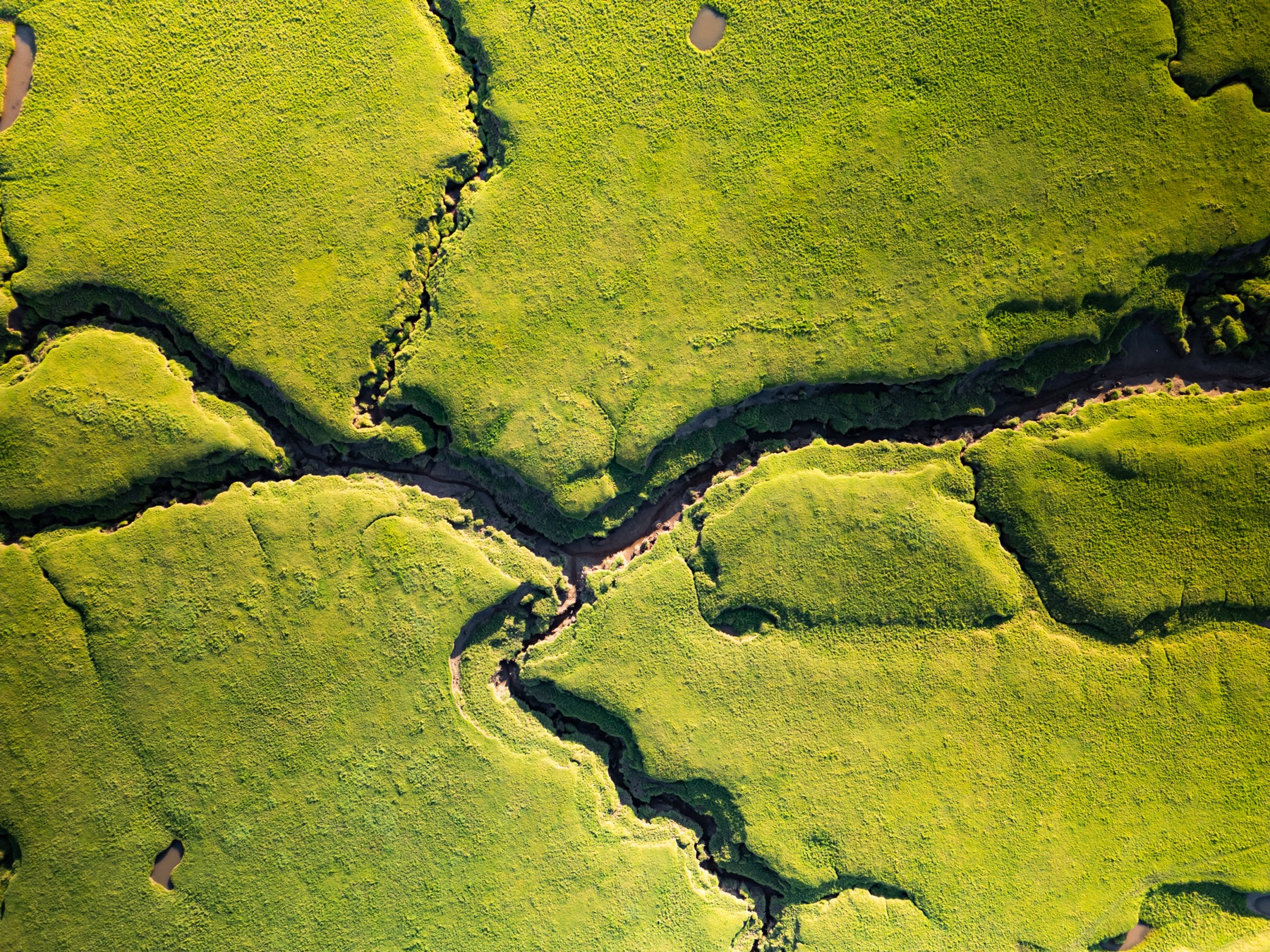
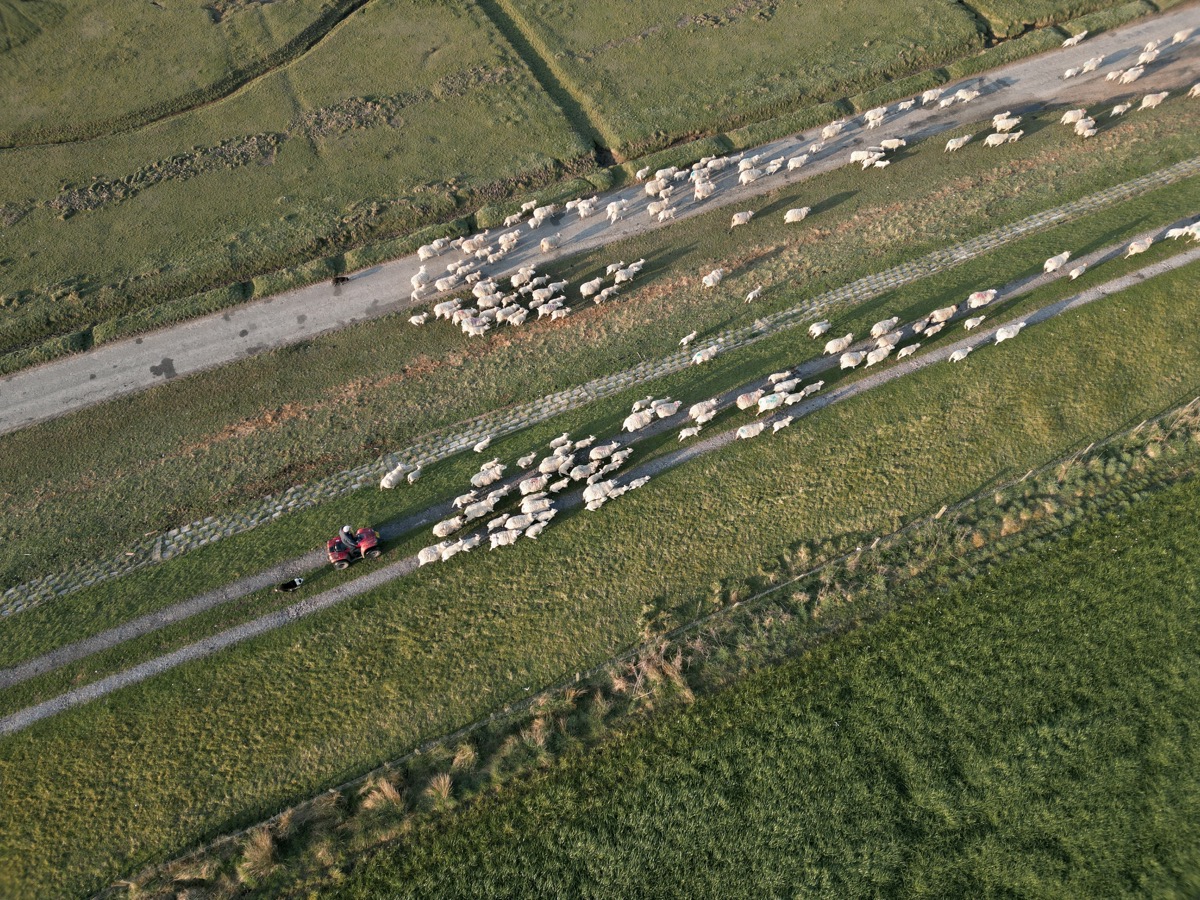
Grazing sheep, winding creeks and farm pastures are part of everyday life around Patty’s Barn. The landscape changes with the tides and the seasons, giving familiar walks a different feel each time.
There are stories in the names, too. Lancaster’s museums trace Cockerham to a settlement on the River Cocker, with the village recorded as “Cocreham” in the Domesday Book.
Discover the stories behind local place names ↗︎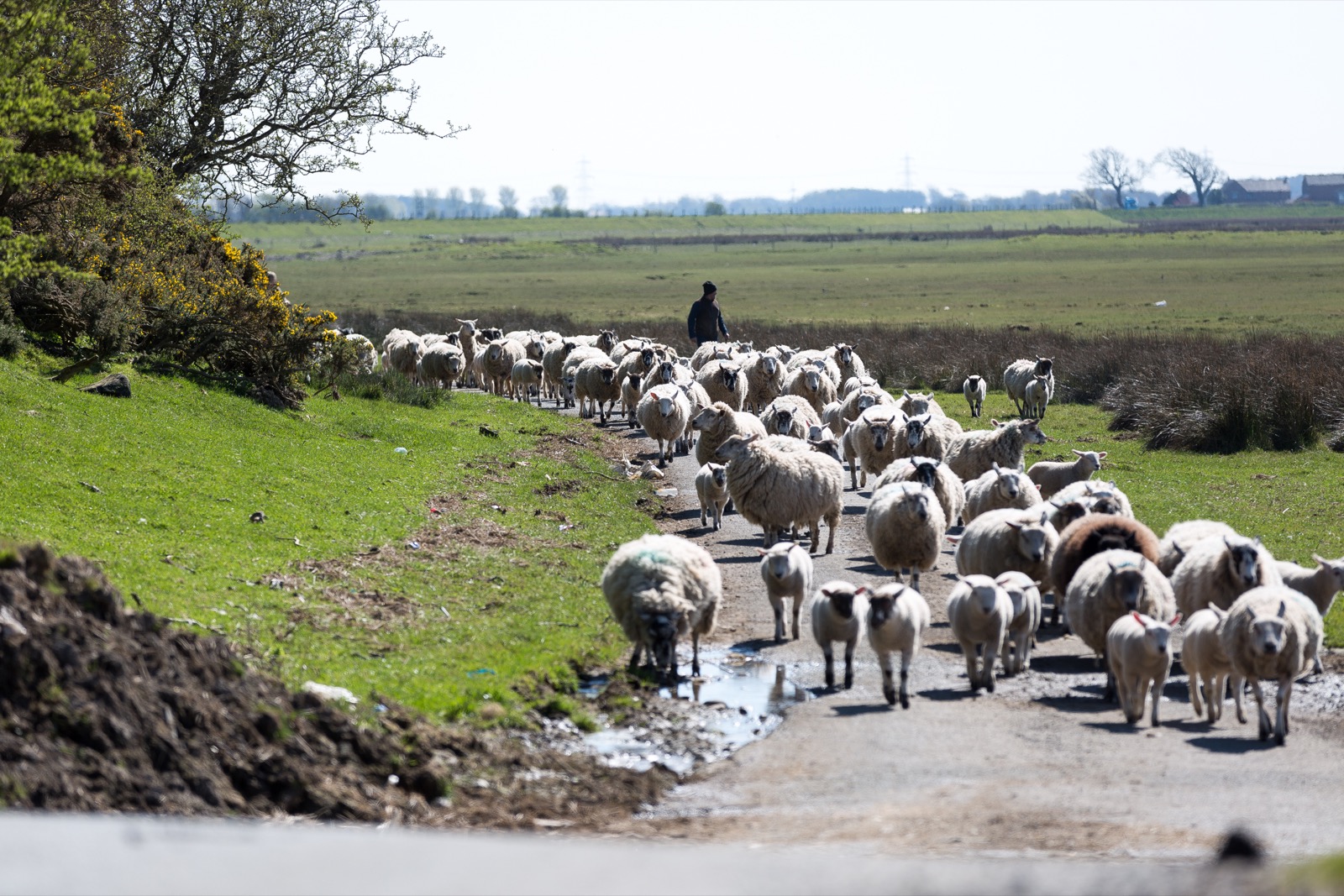
Memories + local folklore
Every place
has its stories.
Family memories, old photographs and tales passed from neighbour to neighbour help us see the coast through different eyes. Do you have a local story or a piece of folklore to share? We’d love to hear it.